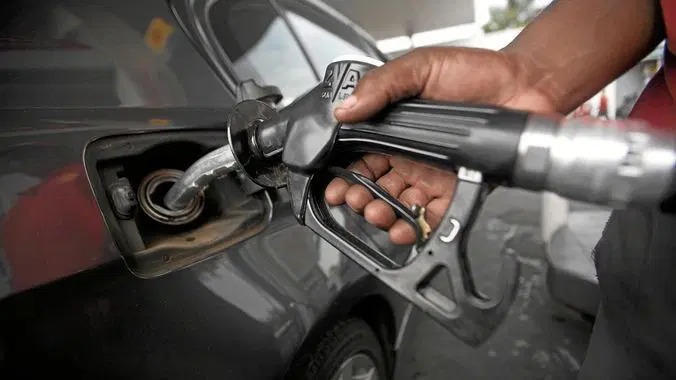

The price of Premium Motor Spirit, also referred to as gasoline, has been raised by Dangote Petroleum Refinery from N1,185 to N1,200 per liter. This change may put more pressure on customers and transportation providers.According to a price notification sent to clients by the refinery’s Group Commercial Operations, the most recent hike will go into effect on Wednesday, August 26, 2026.Additionally, the refinery increased the cost of its coastline delivery from N1,562,265 to N1,582,380 per metric ton.
Before new loading arrangements could begin, customers were instructed to return their current Authorization to Collect paperwork for repricing in the notice titled “PMS Price Change Communication (N1,185 Per Liter To N1,200 Per Litre).”Customers would receive new volume contracts after the repricing, according to the refinery.Only five days after the refinery changed its gantry pricing from N1,165 to N1,185 per liter, the most recent change reflects an increase of N15 per liter.As marketers account for the increased depot cost in shipping, logistics, and other downstream costs, the frequent modifications may result in higher retail prices. Petrol is predicted by the industry to retail at roughly N1,250 per liter on average in various places.
Crude Prices Drop
The most recent petrol price hike occurs in spite of a drop in global crude oil prices.West Texas Intermediate was trading at $82.13 a barrel, down $2.88 or 3.39 percent, according to data from Oilprice.com, while Brent oil was at $88.37 per barrel, down $3.80 or 4.12 percent.Murban crude also dropped $8.73, or 8.61 percent, to $92.71 a barrel.There will probably be more discussion about the factors influencing pump pricing in Nigeria’s deregulated downstream petroleum sector as a result of the disparity between declining global crude prices and rising domestic petrol prices.The most recent shift also coincides with increased volatility in the world’s oil markets due to worries about potential disruptions to crude supplies and the ongoing US-Iran confrontation.
According to Reuters, investors believed that a possible war escalation posed a greater immediate threat to world supply than the most recent US sanctions against Iran, which caused oil prices to drop.However, analysts cautioned that if Iran reacts militarily, the fall would not last long, perhaps endangering supply and driving up petroleum prices.Only two commodity vessels crossed the Strait of Hormuz on Monday, according to Reuters, the lowest daily number since early May. The Strait of Hormuz continues to be a significant source of anxiety for the world oil market.