
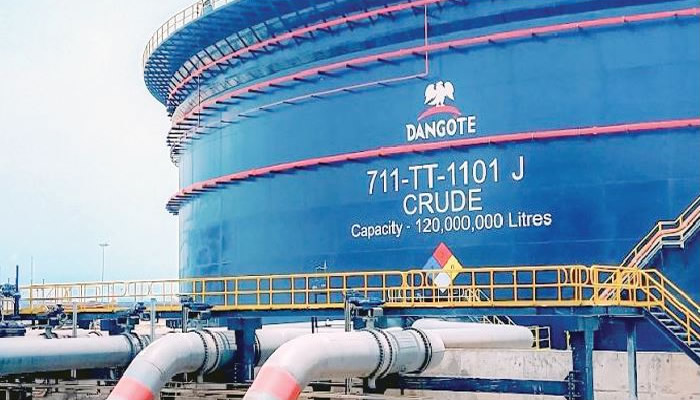
Dangote Petroleum Refinery has launched an audacious strategy to take control of fuel distribution across Nigeria—directly delivering to marketers using a fleet of 4,000 CNG‑powered trucks. The refinery is set to incur an estimated ₦1.07 trillion in logistics costs annually. In return, it forecasts transportation savings of around ₦1.7 trillion for the economy, benefiting nearly 42 million MSMEs by reducing energy expenditures and boosting profits .
Massive Investment in InfrastructureTo enable this monumental shift, Dangote Refinery has already poured over ₦720 billion into deploying the CNG fleet. By eliminating intermediary logistics providers, the refinery positions itself to cut distribution inefficiencies and pass savings onto end‑users .
Potential to Shake Up the MarketIndustry analysts hail this move as revolutionary. By bypassing traditional middlemen—often accused of inflating costs and causing fuel scarcity—the refinery may effectively dismantle long-entrenched cartels . According to experts, this shift could also ease inflationary pressures tied to fuel prices and exchange rates, create thousands of jobs, and expand reliable fuel access deep into underserved rural areas .
Green Shift and Rural ReachDeploying CNG-powered trucks not only offers lower emissions but may also reduce supply inequalities. Rural consumers, who often pay more, stand to benefit from more consistent delivery and cost reductions .
Skepticism and Final Yardstick: Pump PricesWhile the initiative is widely praised, experts caution that its true impact hinges on actual pump‑price reductions. They note that logistics account for 10 – 30% of distribution costs—so unless those savings reach consumers, the initiative may fall short of expectations .
In sum, Dangote’s direct distribution model could revolutionize the downstream sector in Nigeria, bringing efficiency, transparency, and environmental gains. But the proof will be in the pump prices—and in every litre sold across the nation.