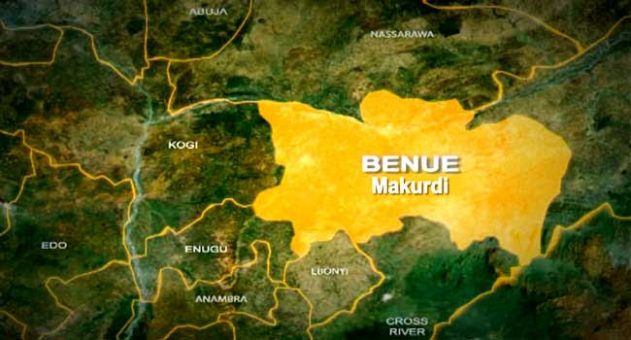
The recent wave of brutal attacks in Benue State has left Nigerians reeling in shock and sorrow.
Armed assailants, suspected to be herdsmen, descended on communities in the Guma Local Government Area, killing over 100 residents, destroying homes, and setting farmlands ablaze. The carnage, which occurred in multiple villages including Yelewata, has drawn national attention due to its scale and brutality.
President Bola Tinubu responded with a firm stance, declaring that the relentless bloodshed must stop. Expressing deep sadness over the killings, he directed security agencies to urgently restore order and bring the perpetrators to justice. Tinubu emphasized that no part of Nigeria should be subjected to such recurrent violence, and vowed that those responsible would face the full weight of the law.
Religious and civic groups have strongly condemned the killings. The Catholic Laity Council of Nigeria described Benue as a “sacrificial ground,” calling for immediate security intervention, food aid, and stronger enforcement of anti-open grazing laws.
Similarly, the Christian Association of Nigeria urged the federal government to declare a state of emergency in the affected areas, noting the persistent loss of lives in the region. Benue indigenes in the diaspora and local commentators have described the killings as ethnic cleansing rather than random violence. They argue that without arrests and visible justice, reconciliation efforts will be hollow.
Activists and celebrities have also joined in, urging the government to take decisive action and protect vulnerable communities. As Nigeria grapples with the root causes of these attacks—ranging from land disputes and climate-induced migration to religious tensions and law enforcement gaps—many believe it is time for a comprehensive national response. For now, residents of Benue remain in mourning, waiting for justice and peace to finally take root.