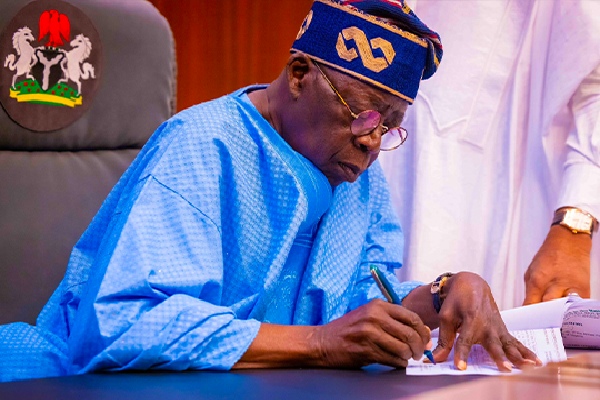
In the midst of fresh worries over ongoing xenophobic attacks on Nigerians residing in South Africa, President Bola Ahmed Tinubu reportedly turned down a special envoy sent by South African President Cyril Ramaphosa.
The South African team, headed by Ronald Lamola, the nation’s Minister of International Relations and Cooperation, arrived in Abuja on Friday with a significant message from President Ramaphosa, according to diplomatic sources.
The team was unable to meet with the Nigerian leader, though.This comes after Chika Ibe, a Nigerian, was allegedly killed in Bellville, Cape Town. The South African Police Service (SAPS) allegedly arrested Ibe at his home and tortured him to death, escalating tensions between the two nations.
Nigeria has often denounced acts of xenophobic violence committed against its people in South Africa. Vice President Kashim Shettima, speaking on behalf of President Tinubu, called on African leaders to take more robust continental measures against xenophobia during the recent 69th Ordinary Session of the ECOWAS Authority of Heads of State and Government in Lungi, Sierra Leone.
Shettima called for a coordinated reaction to protect the rights and dignity of Africans throughout the continent, calling the frequent attacks on African citizens in South Africa intolerable. Additionally, he disclosed that Nigeria has already evacuated 1,490 nationals who had been victims of xenophobic violence and reiterated the nation’s commitment to cooperating with continental and regional organizations to address the issue.
Minister Bianca Odumegwu-Ojukwu advised against President Tinubu receiving the South African delegation if attacks against Nigerians, their businesses, and their properties continue unabated, according to sources within the Ministry of Foreign Affairs.According to reports, the minister said that without a prior appointment and concrete promises from Pretoria to resolve the ongoing violence, the team could not meet with the President.
South Africa’s approval of the Memorandum of Understanding on the Early Warning Mechanism (EWM), which both nations signed in Abuja on October 22, 2025, is a crucial requirement brought up by Nigeria.
Although the agreement aims to improve consular coordination, monitor security concerns, safeguard citizens, and avoid xenophobic acts through swift communication channels, Nigerian officials stated South Africa has not yet ratified it.
According to officials, the process would also offer a structure for handling compensation claims made by Nigerians whose residences and companies were destroyed in earlier attacks.
Affected victims have not yet received compensation from South African authorities.As of the time the article was filed, according to presidency sources, President Tinubu had not consented to accept the South African ambassador, and it was unclear how President Ramaphosa’s claimed phone call over the weekend would turn out.