

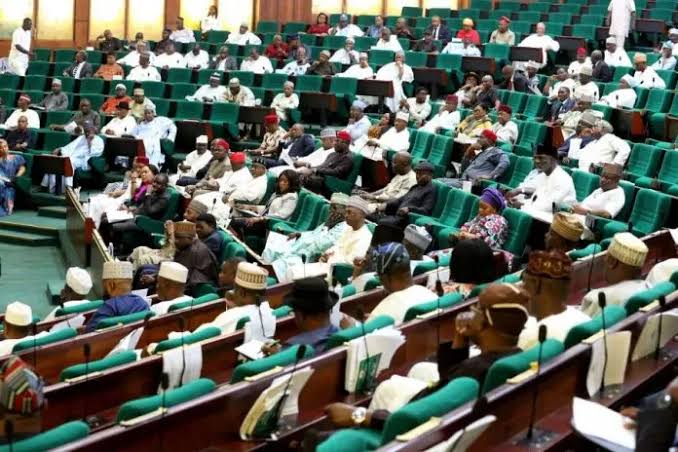
The Nigerian House of Representatives is considering a new bill aimed at combating bribery in both public and private workplaces. The proposed legislation, sponsored by Paul Nnamchi and three other lawmakers, seeks to impose a minimum seven-year prison sentence or a fine of at least ₦5 million on individuals found guilty of offering, giving, receiving, or soliciting bribes to influence workplace decisions. The bill defines bribery broadly, encompassing cash, gifts, favors, or other benefits intended to sway official actions.
For public officials, a conviction would lead to immediate dismissal from service and a 15-year prohibition from holding any elective or appointive positions. Corporate entities found guilty could face fines up to ₦100 million, with responsible directors or officers subject to a minimum of 10 years’ imprisonment. Additional penalties for companies include potential loss of operating licenses and a decade-long ban from participating in public procurement contracts.
The bill also emphasizes whistleblower protection, mandating that all workplaces establish anti-bribery policies and anonymous reporting channels. Retaliation against whistleblowers would attract a minimum fine of ₦10 million and a five-year jail term. Furthermore, employers who fail to report bribery incidents within their organizations could face fines of at least ₦20 million and/or five years’ imprisonment.
To enforce these measures, the creation of a Workplace Anti-Bribery Unit under the Economic and Financial Crimes Commission (EFCC) is proposed. This unit would be responsible for investigating workplace bribery, prosecuting offenders, monitoring compliance, and ensuring the protection of whistleblowers.
The bill is scheduled for deliberation when the House reconvenes on June 17.


