In the wake of the escalating Iran–Israel war—triggered when Israeli forces launched a major strike on Tehran’s nuclear and military targets on June 12—flight disruptions have rapidly intensified across the Middle East travel corridor .
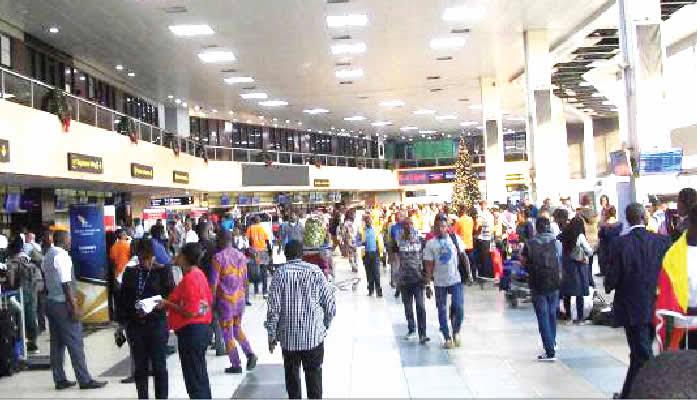
Thousands of airline passengers are now facing unexpected delays, cancellations, and rising airfares. With Qatar, the UAE, Kuwait, Bahrain, Iraq, Jordan, Iran, and Israel closing or restricting their airspaces, commercial airlines are forced to reroute, avoid key hubs, and extend flight times—resulting in a backlog of stranded travelers .
Dubai International Airport has been hit hard—experiencing over 200 delays and several cancellations, with Emirates and FlyDubai each reporting dozens of disrupted flights. Other carriers affected include Qatar Airways, Kuwait Airways, Pakistan International Airlines, British Airways, Air France‑KLM, Singapore Airlines, American, United, Lufthansa, and more, all reshaping schedules and slashing routes to ensure safety .
The Gulf air corridor’s temporary collapse has had ripple effects on global travel. Airlines now divert through longer southern routes—over Saudi Arabia and Egypt—connecting Europe, Asia, and the Americas, pushing up fuel usage, flight times, and operating costs .
From a Nigerian perspective, domestic aviation remains largely unaffected, save for pilgrimage flights to Jordan and Israel. Experts confirm that the disruptions principally impact foreign airlines and their passengers flying through Nigerian hubs .
Analysts warn that with these corridor closures, travelers should brace for booking challenges and higher ticket prices. Longer transits, delayed schedules, and cancelled flights are anticipated in the weeks ahead. Airlines are now rapidly readjusting—rerouting through Asia or even redirecting via Europe or the U.S., offering credits, refunds, or alternative travel plans to cushion the impact .
Airport experts emphasize that while no Nigerian airline flies the Middle Eastern corridors directly, passengers connecting through regional hubs may still bear the cost. They advise travelers to closely monitor flight status, familiarize themselves with refund or rescheduling policies, and brace for potential fare hike