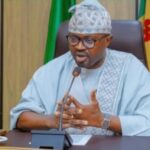

Governor Abba Kabir Yusuf of Kano State has officially resigned from the New Nigeria People’s Party (NNPP), marking a dramatic shift in the state’s political landscape. His decision, announced on January 23, 2026, comes amid escalating internal disputes and questions over the party’s unity and leadership direction. The resignation will take effect from January 25, 2026, according to a statement from his spokesperson, Sunusi Bature Dawakin Tofa.
In his resignation letter, Governor Yusuf expressed deep appreciation to the NNPP for the platform and support it provided since he joined in 2022. He acknowledged the role the party played in his political journey but said that ongoing internal crises, unresolved leadership disagreements, and persistent legal battles had weakened the party’s cohesion and made it increasingly difficult to serve the broader interests of the people of Kano. He stressed that the decision was made thoughtfully, in good faith and without bitterness, with a continued commitment to peace, unity and the progress of the state.
The governor’s departure is not an isolated event. Alongside him, 21 members of the Kano State House of Assembly, eight members of the House of Representatives and all 44 local government chairmen in the state also resigned from the NNPP, representing a major realignment of political support within Kano. The mass exit highlights deepening tensions within the party and raises speculation about Governor Yusuf’s next political steps, including possible alignment with the ruling All Progressives Congress (APC) — a move hinted at following his recent meeting with President Bola Ahmed Tinubu.
Party officials confirmed receipt of Governor Yusuf’s resignation. The NNPP’s Diso-Chiranchi Ward Secretary, Hon. Kabiru Zubairu, commended the governor’s contributions to governance in Kano, citing achievements in infrastructure, urban renewal, healthcare, education and economic empowerment. He acknowledged the internal challenges confronting the party but said there was little choice but to accept the governor’s decision.
This move is expected to have significant implications for Kano’s political dynamics ahead of the 2027 general elections, signalling a possible shift in alliances and reshaping the state’s influence on national political developments