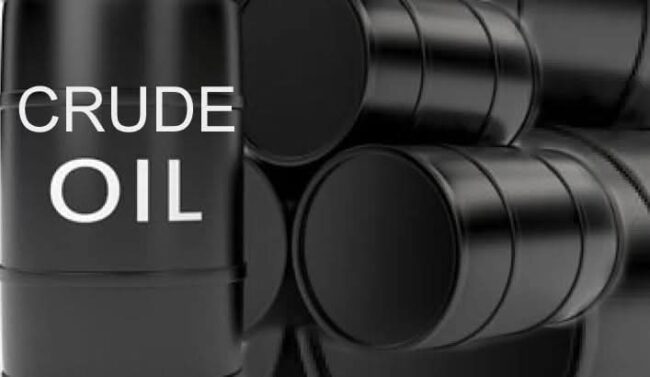

Dangote Petroleum Refinery is set to make a historic move by exporting 90,000 metric tonnes of petrol to Asia, marking its first shipment outside the West African region. The cargo, scheduled to be loaded by Mercuria on June 22, represents a major milestone in the refinery’s rapid global expansion—following successful jet-fuel deliveries to the U.S., Singapore, and Saudi Arabia .
Simultaneously, Nigeria’s Senate has issued a seven-day ultimatum to the Nigerian National Petroleum Company Limited (NNPCL) to explain discrepancies amounting to over N210 trillion found in its 2017–2023 audited financial statements. During a probe by the Senate Public Accounts Committee, officials were grilled over inexplicable entries under “accrued expenses” and “receivables,” including N103 trillion in each category .
Committee chairman Senator Aliyu Wadada highlighted alarming inconsistencies: NNPCL cited more than N600 billion in retention fees without support documentation, alongside undocumented legal and audit expenditures. The committee also flagged conflicting figures between NNPCL and its subsidiary NAPIMS—despite NAPIMS reporting N9 trillion in profits, NNPCL recorded a N16 billion loss over the same period .
The committee has posed 11 detailed questions to NNPCL, demanding written responses in one week, stressing that transparency is vital—particularly as the company prepares for an IPO under President Tinubu’s Renewed Hope Agenda .
Together, these developments illustrate Nigeria’s shifting energy narrative: Dangote’s private refinery is boldly stepping onto the global stage, while the state-controlled NNPCL faces intense scrutiny over its financial integrity.