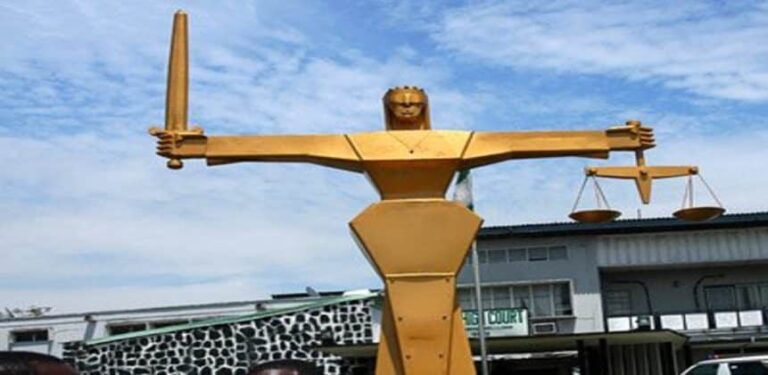

The Federal Government, on June 19, 2025, officially concluded its case against Nnamdi Kanu, leader of the Indigenous People of Biafra (IPOB), in a heated terrorism and treason trial before the Federal High Court in Abuja . Prosecution counsel, Chief Adegboyega Awomolo (SAN), announced that after presenting and cross-examining five witnesses—including a Department of State Services (DSS) officer known only as PW‑5 or “EEE”—they were satisfied they had laid all the necessary evidence .
Following the prosecution’s final testimony, lead defence lawyer, Chief Kanu Agabi (SAN), notified the court of their intention to file a “no‑case submission.” The defence has been granted a two‑week window to file this written submission, after which the prosecution will have an equal period to respond.
Justice James Omotosho has formally adjourned proceedings to July 18, 2025. On that day, the court will review the defence’s no‑case arguments and determine whether the trial should proceed to the defence stage.
The prosecution leader cited an “avalanche of evidence,” including broadcast content and DSS reports linking Kanu to incitement during the #EndSARS protests, which they believe substantiates the allegations . In contrast, the defence will argue that the state failed to establish a direct connection between Kanu’s broadcasts and the alleged crimes—particularly as the final witness admitted to not personally investigating Kanu or IPOB’s involvement.
This development marks a pivotal moment in a case that has drawn significant media attention since Kanu’s arrest in 2021, sparking a national debate on separatism, free speech, and human rights . With July’s next hearing, the trial enters a decisive phase that could shape both Kanu’s legal future and the wider socio‑political climate in Nigeria.