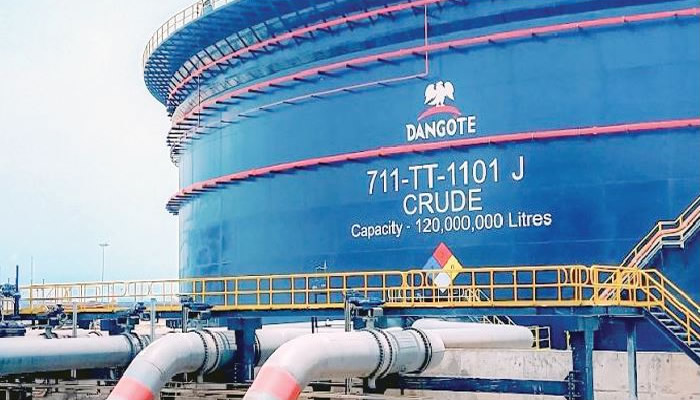
Port Harcourt, Warri & Kaduna refineries face mounting hurdles. NNPC Group Chief Executive Officer Bayo Ojulari has revealed that rehabilitation of Nigeria’s state-owned refineries is growing increasingly complex, prompting the company to re‑evaluate its strategy. While the Port Harcourt refinery briefly resumed crude processing in November 2023, it shut down again in May for maintenance. Meanwhile, Warri and Kaduna remain under rehabilitation .Strategic review underway, decisions expected by year‑endSpeaking on the sidelines of the 9th OPEC international seminar in Vienna, Ojulari said NNPC is conducting a comprehensive review of its refinery operations. He anticipates concluding this reassessment by the end of the year, with the potential to alter the company’s approach going forward .Sale “not out of the question” if review warrantsOjulari emphasized that while no decisions have been made yet, the sale of the refineries cannot be ruled out. “All options are on the table,” he said, stressing that the outcome will depend on findings from the ongoing strategic review .Investments plagued by outdated tech and aging infrastructureNNPC has poured significant investments into refinery upgrades and new technologies over the past years. However, these technologies have largely underperformed, and the refineries continue to suffer from decades of neglect—making repairs more difficult than expected .High upstream production costs driven by security spendingOjulari also discussed Nigeria’s oil production costs, which currently range between $25 and $30 per barrel—a steep figure driven in part by expenditures on pipeline security. While these costs might ease over time as stability improves, they remain elevated for now .Ambitious goal to boost output by year‑endDespite the refinery setbacks, Ojulari reaffirmed NNPC’s plan to raise Nigeria’s oil output to 1.9 million barrels per day before the end of the year—a key target in the company’s broader growth agenda .