Over a ten-year period, the Federal Government sponsored Nigerians for training abroad for ₦220 billion. However, according to Minister of Education Dr. Tunji Alausa, almost 80% of the recipients did not return to the country after completing their programs.
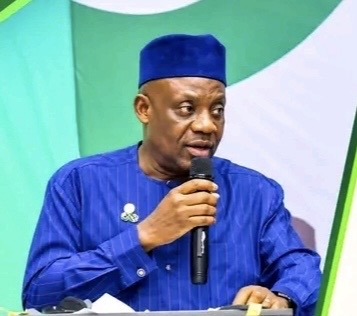
At the RHV-ROBOMED Robotic Academy’s opening on Thursday nite at Redeemer’s Health Village in Redemption City, Ogun State, Alausa revealed the information.
He characterized the outcome as a significant setback to the nation’s efforts to improve its educational system, pointing out that the investment’s anticipated benefits were compromised by the majority of beneficiaries’ failure to return.
According to the minister, the government has stopped funding abroad training sponsorship and is instead focusing its resources on building specialized training facilities in Nigerian institutions.
He stated that the choice was aimed at ensuring that public funds invested in professional training translated into lasting benefits for the country.
“Over 10 years, TETFund invested ₦220bn in sending people abroad to go and train. And guess what? Eighty per cent of those people did not come back to Nigeria,” Alausa said.
He clarified that by creating Centers of Excellence at both public and private colleges, the government had turned its attention to bolstering local institutions.He claims that 23 universities—18 public and five private—have established 28 centers. The recently opened robotic surgical academy is anticipated to become the 29th facility under the Tertiary Education Trust Fund concept, he continued.Alausa promised financial assistance through TETFund to qualified medical professionals enrolled in specialized courses at the academy.
“What we are going to do is that we will make this part of the TETFund-funded Centre of Excellence. Any student that is going to go will be completely funded by TETFund,” he said.
Over the past two years, he said, the Federal Government has invested over ₦250 billion in medical education infrastructure, including the establishment of simulation laboratories and the renovation of facilities in over 24 medical schools.Additionally, the minister praised Nigerian medical professionals living abroad for helping to build the robotic surgery academy. He called on others to back initiatives aimed at fostering specialized knowledge in the nation.Adedamola Dada, the CEO of Redeemer’s Health Village, had stated that the academy intended to teach 400 specialists in two years.
Dada said that the organization had purchased two robotic devices for about $4 million. One would be used for training, he explained, and the other for surgical procedures.In order to encourage the growth of robotic-assisted surgery in Nigeria, he continued, the program would teach surgeons, nurses, biomedical engineers, and other medical personnel.Dada made a request to the federal government to offer scholarships to the program’s postgraduate medical trainees.In response, Alausa emphasized that building domestic infrastructure and knowledge will assist lessen reliance on foreign institutions and reiterated the government’s commitment to supporting specialized training within Nigeria.