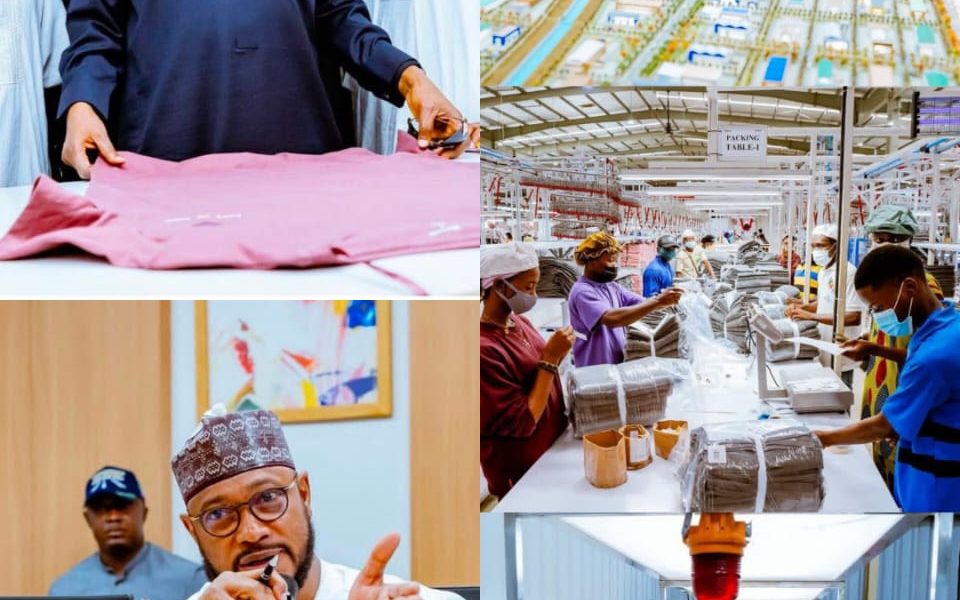

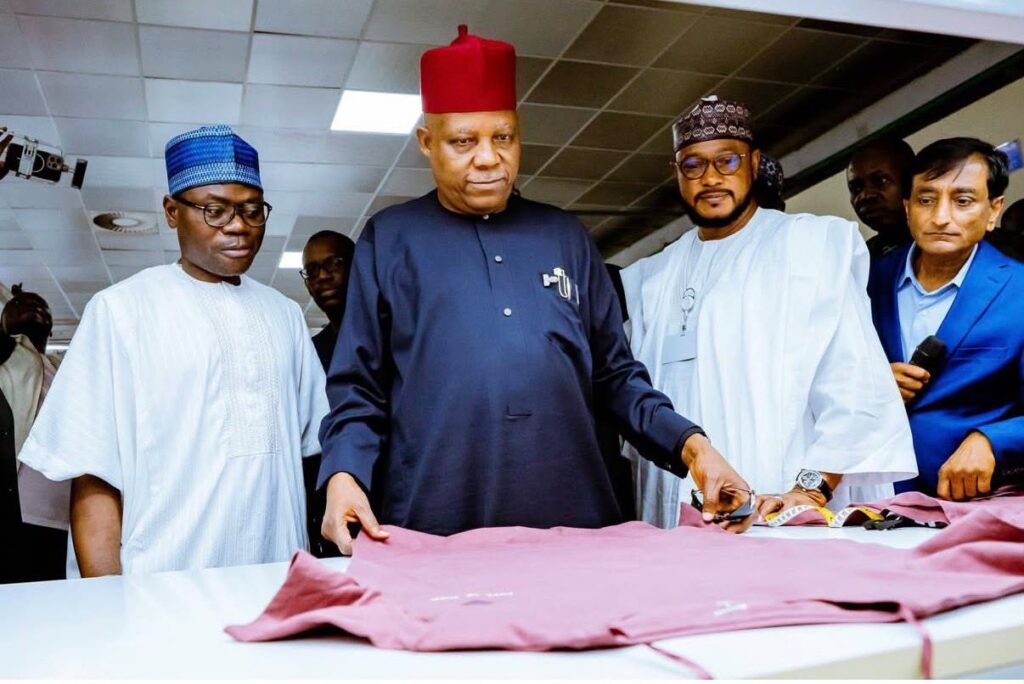
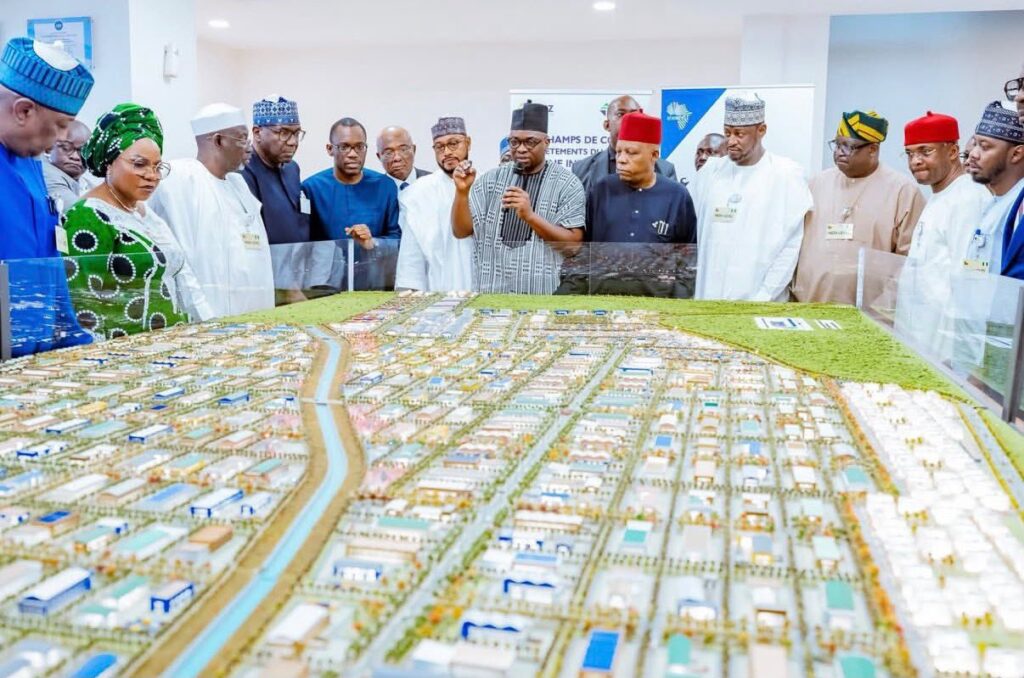
Governor Dauda Lawal of Zamfara State has referred to the Glo-Djigbé Industrial Zone (GDIZ) as a viable model for revolutionizing the agricultural sector in Zamfara, during a working visit to the industrial hub in Benin Republic on Friday alongside Nigeria’s Vice President, Senator Kashim Shettima, and five other governors.

The delegation toured the 1,640-hectare public-private industrial platform, inspecting integrated textile and agro-processing facilities where locally produced cotton is converted into yarn, fabric and finished garments while cashew and soybean are processed for domestic and export markets. GDIZ, developed by the Beninese government and ARISE Integrated Industrial Platforms, has created more than 25,000 jobs since production began in 2021.
For Governor Lawal, who presides over an agrarian state with vast arable land and a strong comparative advantage in crop production, the visit presented an opportunity to draw direct lessons for Zamfara’s agricultural transformation agenda.
“Zamfara possesses a significant comparative edge in agriculture.” We cultivate every type of crop in the state; we aren’t restricted to just soybeans. “We possess the land, which is productive,” Governor Lawal announced to international investors at the Africa Investment Forum in Morocco last November, where he entered into a strategic Memorandum of Understanding with the Ministry of Finance Incorporated (MOFI) to promote extensive agricultural transformation under the INTEGRANIUM Initiative.
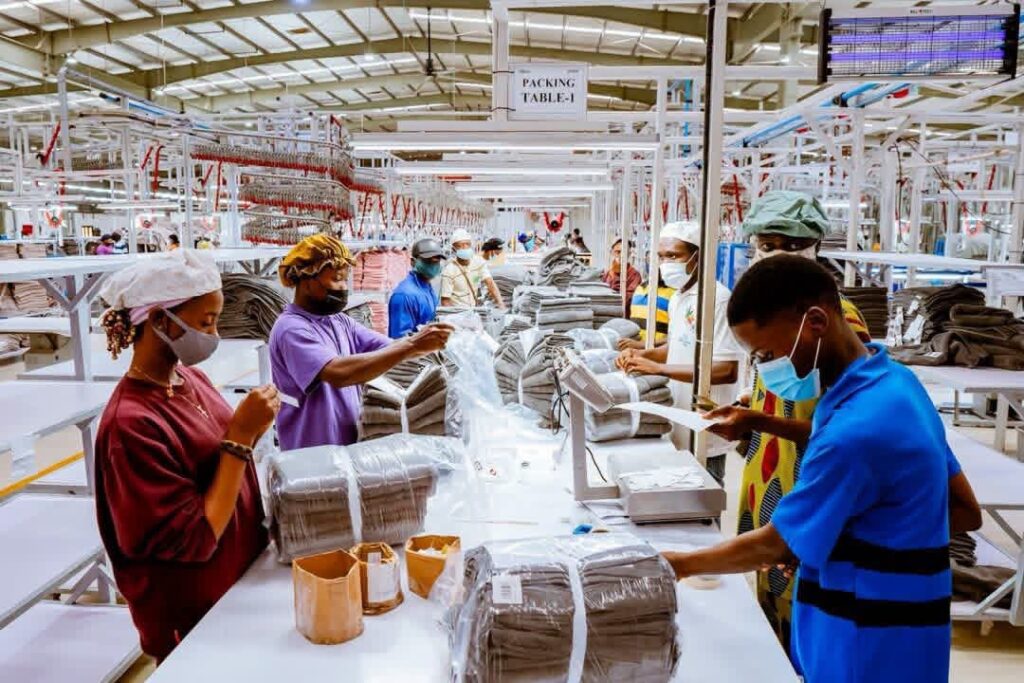
The GDIZ visit seeks to enhance the execution of Nigeria’s Special Agro-Industrial Processing Zones Programme by learning practical insights from Benin’s methods regarding agricultural value enhancement, industrial infrastructure, investment attraction, and production geared towards export. Special consideration was focused on the textile park’s cohesive production system encompassing cotton spinning, weaving, fabric treatment, and clothing production. Governor Lawal is confident that Zamfara State can tap into the $370 billion global cotton market by increasing its cotton production and spearheading the revival of struggling textile manufacturing sectors and value chains, potentially creating millions of jobs, boosting non-oil exports, and invigorating economic activities.Governor Lawal’s involvement in the delegation is in harmony with Zamfara’s newly initiated 10-year Development Plan (2025–2034), which aims for the state to be “a standard for transformative economic progress, not just for Nigeria, but for the entire African continent.” The strategy focuses on leveraging Zamfara’s agricultural and natural resource assets via collaborations, mechanized agriculture, agro-processing, and value chains to generate employment, enhance food security, and diminish poverty-related insecurity.Governor Lawal was joined by other state Governors such as Hope Uzodimma (Imo), Caleb Mutfwang (Plateau), AbdulRahman AbdulRazaq (Kwara), Dikko Radda (Katsina), and Umar Namadi (Jigawa). The visit aims to guide the establishment of garment-training centers and specialized processing infrastructure close to farming communities throughout Nigeria.